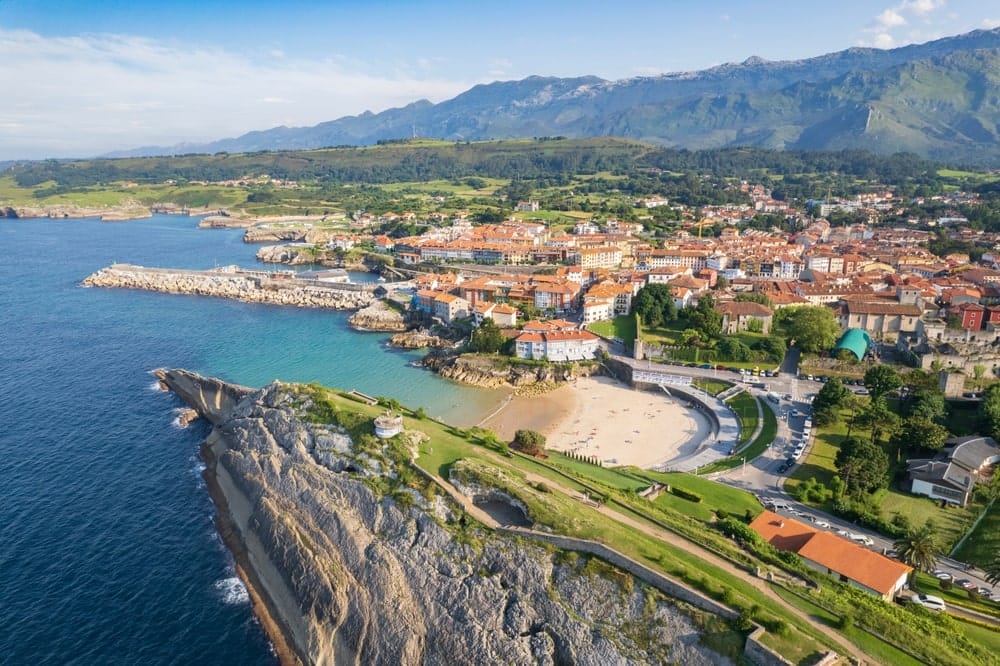

Whether you’re picturing Algarve sunsets, a cosy café-lined square in Lisbon or a quiet retreat in the countryside, the idea of buying a home in Portugal is an exciting one. The process will feel familiar if you’ve bought in the UK before, but it’s still worth knowing the common pitfalls of buying property in Portugal early on. With a bit of preparation, you can explore the Portuguese real estate market with confidence, avoid unnecessary stress and enjoy the journey.
This guide outlines the key steps involved in buying a property, including the checks you may need to make before purchasing, the financial factors you might want to consider and the actions to take once ownership is confirmedhis guide outlines the essential steps for buying a property, including the checks to make before purchasing, the financial factors to consider and the actions to take once ownership is confirmed.
When you’re planning for the financial side of things, Lumon can support you. We’ve supported thousands of UK buyers to send money overseas safely and we can help you protect your budget when buying a property in Portugal.
How to avoid the pitfalls of buying property in Portugal
Exploring the Portuguese real estate market
Scrolling through property listings is often where the dream begins as you picture a new life in the sun or the perfect holiday home for family and friends. With a little early preparation, you can spot the common legal and financial pitfalls to avoid and keep your plans on track.
One of the first things to understand is whether you’re looking at a new build or a resale:
- New builds are brand-new homes that may be finished or still under construction (off-plan)
- Resale properties have had one or more previous owners and are now back on the market
Both can be excellent options, but each comes with different checks, especially around land type, paperwork and permissions.
Land ownership and zoning
When buying a property in Portugal, it’s important to understand what kind of land comes with it. This helps you avoid legal issues later on. Portuguese zoning divides land into two main categories:
- Urban land: Located within or near built-up areas, usually with access to services like roads, water and electricity1
- Rustic/rural land: Outside urban zones, mainly for agriculture, forestry or conservation. Building a new home here is very restricted unless the land is reclassified1
Why this matter?
- For new builds, zoning determines whether the property can legally be constructed.
- For resales, zoning affects what you can extend, renovate or add in the future.
If you want to confirm a property’s classification, you can request this information from the local municipality. This will tell you how the land is zoned and whether any restrictions apply.
Check the land registration (Registo predial)
Especially for older or rural homes, one of the most important steps is checking that the official paperwork matches what you see on the ground. Portuguese property records can sometimes lag behind, which is one of the common pitfalls of buying property in Portugal.
The land registration is the official record showing who owns the property, what the boundaries are and whether any debts, rights or restrictions are attached.
Key pitfalls to avoid include:2
- Unrecorded extensions or features: Pools, loft conversions, annexes or outbuildings may not appear on the register and might need retrospective approval
- Old debts or charges still attached: Mortgages and charges may remain on the record and could impact your purchase
- Parts of the land not legally owned by the seller: This is usually fixable, but easier to resolve when identified early
A lawyer can help you steer clear of many of the legal pitfalls of buying property in Portugal, from missing licences to delays with the final deed.
It’s good practice to work with an independent lawyer
To keep your purchase running smoothly, consider appointing an independent, English-speaking lawyer who specialises in Portuguese property law and is not linked to the seller, developer or Portuguese real estate agents. They’ll:
- Review contracts
- Confirm licences
- Check zoning
- Ensure the property is correctly registered
- Spot issues that could cause delays when signing the final deed (escritura)
Choosing someone who also speaks Portuguese prevents misunderstandings and helps with communication across notaries, local authorities and real estate agents. With the right support, many of the typical delays and legal issues can be avoided altogether.
When you buy: Financial pitfalls of buying property in Portugal and additional costs
Plan beyond the property price
When planning your budget, it’s easy to focus on the headline property price, especially when you’ve found a place that feels like your dream home. But it’s important to allow a little extra for the other costs that come with buying a property abroad.
Understanding property taxes in Portugal
Here are the property taxes UK buyers should be aware of:
| Tax type | Description | New build | Resale |
| IMT (Property transfer tax) | A sliding-scale tax based on the property’s value and whether it’s a main or secondary home.3 | ✓ | ✓ |
| Stamp duty (Imposto do Selo) | Charged at a flat 0.8% of the purchase price.4 | ✓ | ✓ |
| IMI (annual municipal property tax): | Paid yearly, typically 0.3%–0.8% depending on the property and location.4 | ✓ | ✓ |
AIMI (additional property tax): | Applies to higher-value urban properties above €600,000 (€1.2m for joint owners).4 | ✓ | ✓ |
VAT (new-build only) | Usually applied to new construction, depending on the project and region.4 | ✓ | ✖ |
Additional buying costs
Many reputable expat sources suggest setting aside around 8-10% on top of the property price to cover other essentials such as:
- Legal fees
- Notary and registration fees
- Surveys or inspections
*This 8-10% estimate is based on guidance shared across various expat and relocation sources. Actual costs vary depending on the location, property type, and your own situation, so always seek personalised advice.
| Cost type | New builds | Resale properties |
| Legal fees | Typically around 1% to 1.5% of purchase price.* | Similarly, around 1% to 1.5% of purchase price.* |
| Notary and registration fees | Typically around 1% to 2% of property’s value.* | Typically around 1% to 2% of property’s value.* |
| Surveys/inspections | Optional inspection, but fewer historic issues expected | Recommended full survey. An old home may have hidden defects or unrecorded changes |
*Portugal does not set fixed legal fee rates. Fees vary depending on the lawyer and the complexity of the transaction. The figure is a typical market rate, often ranging from 1% to 1.5% of the purchase price.
Currency fluctuations and exchange rates
Another important financial consideration is how you’ll move your funds to Portugal. It’s important to do your due diligence when choosing how to do this, as even small shifts in the pound to euro exchange rate can make a notable difference in what you end up paying.
At Lumon, we’ve been supporting our clients for over 25 years with property purchases abroad. We offer bank-beating exchange rates and provide dedicated support to help make the process hassle-free. Your dedicated currency specialist will provide you with market updates and support to protect your budget with products like a forward contract.
With many new builds, there’s often a long gap between signing contracts and completion. In such cases, Lumon can help you explore your international transfer options such as Forward Contracts, which let you lock in today’s exchange rate to protect your budget from future market swings.
After you buy: Ownership and residency considerations to avoid pitfalls of buying property in Portugal
Understanding residency in Portugal
One of the final pitfalls of buying property in Portugal comes down to residency. If you’re buying a place in Portugal as a non-resident, you’ll need to keep the Schengen 90-day rule in mind: UK residents can spend up to 90 days in any 183-day period in the Schengen area.5
If you’re planning to become a resident, the requirements differ. The Bank of Portugal has helpful English-language resources
Make your ownership official
Once the sale is complete, a few simple steps will help everything run smoothly from the moment you receive your keys:
- Register the property: Ensure it’s recorded in your name at the Land Registry (Registo Predial).
- Update utilities: Utility accounts don’t switch automatically. Take meter readings and set up contracts in your name.
- Prepare for local taxes: Factor in IMI, waste collection charges where applicable, and condominium fees if the property is part of a shared building.
If your bills or mortgage payments are in euros, while your income is in pounds, a Regular Payment Plan (RPP) can help smooth out the impact of exchange rate changes.
Thinking about buying in Portugal? Lumon can help you get there
Buying abroad should feel exciting rather than overwhelming. Lumon helps you send money safely, whether you’re making a one off payment for your new home or arranging regular transfers once you’ve settled in.
- During the buying process: Explore tools like Forward Contracts to protect your budget from market swings.
- After you buy: A Regular Payment Plan* helps you manage ongoing costs such as mortgage repayments, community fees, or utilities.
With personal support from your own currency specialist, you can focus on enjoying your new life in Portugal, while we handle the rest.
*Terms and conditions apply. Speak to our team to check if you’re eligible for our regular payment plan.
Sources used:
- Republica Portugesa – New land law: More affordable housing, less speculation
- JUSTICA.GOV.PT – Services
- PWC – Tax guide 2024 – Property Transfer Tax
- PWC – Portugal Property Tax
- PWC – Portugal, Individual, Residence
Sources last checked on 28.11.2025