
Buying property in France
Buying property in France from the UK involves a different legal process, additional taxes and costs, and a currency transfer that can shift significantly between offer and completion. Our buying in France guide covers what you may need to know at each stage, so you are better placed to protect your budget before you start.
- France: Buying property
- The process of buying property in France step by step
- Costs and taxes when buying property in France
- Can foreigners buy property in France?
- Mortgages for buying property in France
- Where to buy property in France
- Currency transfers when buying property in France If you are buying property
- Currency transfers when buying property in France
- Legal considerations when buying a property in France
- Frequently asked questions
- The step-by-step process of buying property in France
The process of buying property in France
Find a property & make an offer
Once your offer is accepted, specific conditions can be included to protect you, such as mortgage approval or planning permissions.
Sign a preliminary contract
A notaire prepares the preliminary contract (compromis de vente), which sets out the terms of the sale. Once signed, buyers benefit from a 10-day cooling-off period.
Add conditional clauses (clauses suspensives)
Any necessary conditional clauses can be included in the contract, such as swimming pool or major works permissions.
Cooling-off period & deposit
After the 10-day cooling-off period ends, the agreed deposit is paid and the sale becomes legally binding, subject to any conditions in the contract.
Property checks & searches
The notaire carries out legal searches and verifies ownership, rights and other important property information before completion.
Sign acte de vente & complete your purchase
Once all checks are complete, the deed is signed and funds transferred, the buyer receives the keys and becomes the legal owner.
Costs and taxes when buying property in France
In addition to the property price, buyers should budget for several additional costs when purchasing property in France. These costs vary depending on whether the property is new or existing and whether the purchase is financed with a mortgage.

Notaire fees
Notaire fees are mostly taxes and duties paid to the French government, with a small portion going to the notaire directly.

Property transfer tax
The property transfer tax forms the largest part of the additional costs. This tax is paid when ownership of the property changes hands and is collected by the notaire.

Ongoing property taxes
Property owners may need to pay property tax in France, including annual ownership and residence-based taxes. Costs vary depending on the property’s location and local authority.
How exchange rates impact your budget
If buying property in France from the UK, you’ll need to convert pounds to euros. Even small GBP to EUR fluctuations can increase the amount needed if the pound weakens before completion. A 2% movement on a €300,000 property could mean paying around £5,000 more or less, depending on whether the pound weakens or strengthens against the euro.†
Protecting your budget
When you’re making a property purchase abroad, exchange rate changes can quickly affect your budget. Lumon supports buyers with large international payments and helps them plan their transfers around the purchase timeline.
†The information provided in this case study/scenario is hypothetical and is intended for illustrative purposes only. The exchange rates referenced in this case study/scenario are interbank rates and should not be used as an indication of past, current or future performance or constitutes a recommendation of any kind.
Working with Lumon
Our team of currency specialists has the local market knowledge to help you navigate the process of buying a property in France. With our international real estate expertise, we’re here to help make the process hassle-free.

Bank-beating exchange rates* and no transfer fees

Helped over 70,000 customers since 2000

Award-winning service

International property specialists
What our customers are saying
Mortgages for buying property in France
Getting a mortgage in France is possible for UK citizens, although lending criteria differ from the UK in some important ways. A broker who specialises in French property can help you find the right lender and navigate the application process.
Typical mortgage conditions
French lenders typically require a deposit of 20-30%, which is higher than most UK mortgage products. Life insurance linked to the loan value is also standard, and lenders will not approve a mortgage without it, so it needs to be factored into your budget.
Factors lenders consider
Lenders will look at your income, employment status, existing financial commitments and credit history. The property’s location and value also affect the decision. Getting your documents in order early, particularly proof of income and bank statements, can help avoid delays when you’re ready to make an offer.
Buying a property in France?
Lumon’s buying guide explains everything you may need to know about buying property in France. It covers the step-by-step process of purchasing property, the taxes and costs involved, and legal considerations for UK citizens.
Download your guide
Can foreigners buy property in France?
Yes, foreigners including UK citizens can buy property in France. There are no restrictions on overseas ownership and you do not need to be a French resident to buy.
However, buying a property does not automatically give you the right to stay long term. UK citizens can currently stay in France for up to 90 days in any 180-day period without a visa. If you’re planning to spend more time there, whether as a second home base or in retirement, you’ll need to look at your visa and residency options before you commit to a purchase.
The French property market
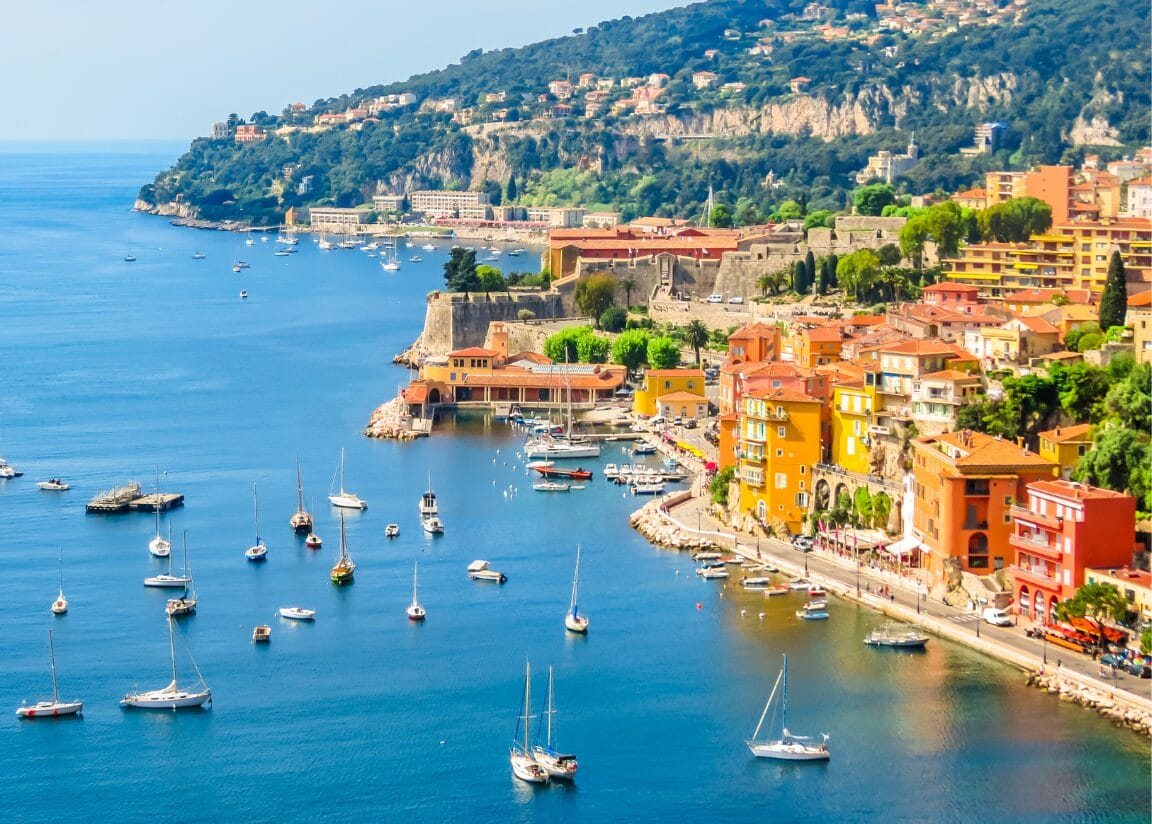
The French property market is recovering after two years of declining activity. According to INSEE Notaires index data,¹ prices of second-hand properties rose 0.7% year-on-year in Q3 2025, the third consecutive quarter of positive annual growth.
Regions such as Provence, the Côte d’Azur, the French Alps, Brittany, Normandy and south-west France remain popular with international buyers, chosen for their climate, scenery, transport links and lifestyle appeal. Price levels vary significantly between regions, so where you buy will have as much impact on your budget as when you buy.
Where to buy property in France
If you are considering where to buy a property in France, you will find a wide range of options, from countryside homes and vineyard estates to city apartments and coastal villas. France remains a popular choice for UK citizens seeking a holiday home, retirement property or long-term investment.
Brittany
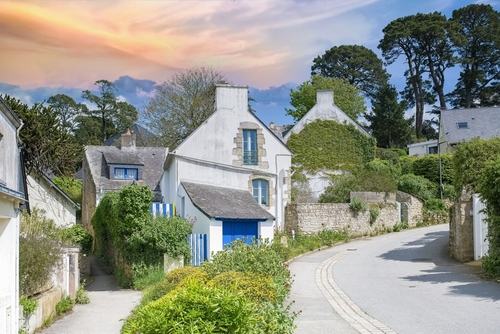
Brittany is known for its rugged coastline, historic villages and affordable prices. It remains popular with buyers looking for holiday homes within easy reach of the UK.
Burgundy

Burgundy offers picturesque countryside, vineyards and traditional stone properties. The region is particularly attractive to buyers seeking rural homes or renovation projects.
Loire Valley
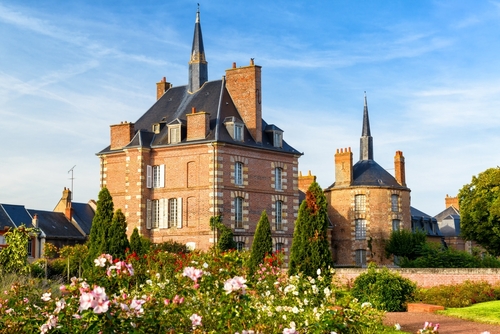
The Loire Valley is famous for its castles, vineyards and scenic river landscapes. It offers a combination of historic charm and relatively good transport links to Paris.
Languedoc-Roussillon

Located in the south of France, this beautiful and historic region consistently attracts buyers looking for sunshine, Mediterranean beaches and lively towns.
The French Alps

The Alps are popular with buyers seeking ski properties and mountain retreats. Demand is strong in well-known resorts where rental potential can be high during winter seasons.
The Pyrenees

The Pyrenees offer dramatic scenery and quieter property markets than the Alps. Prices can be lower, making the region attractive to buyers seeking value.
Bank-beating exchange rates*
Get more for your money with great value on every transfer. We offer bank-beating exchange rates, no transfer fees and award-winning service you can rely on.
See how we compare
Pitfalls when buying property in France
Buying property abroad can present challenges, particularly for buyers unfamiliar with the local legal system. Being aware of common pitfalls when buying property in France can help reduce risk and make the process smoother.
- Underestimating total costs
- Exchange rate fluctuations
- Incomplete property checks
- Relying solely on seller recommendations
Frequently asked questions
Is buying property in France a good investment?
Buying property in France can be a strong long-term investment, especially in popular regions like Provence, the Alps and the Côte d’Azur, which attract strong international demand. Buyers should still consider local prices, rental potential and ongoing maintenance costs before purchasing.
Do you pay UK stamp duty on French property?
No, UK stamp duty applies only to property purchased in the United Kingdom. When buying in France, buyers instead pay French taxes and legal fees, which are typically included in the notaire’s costs settled at completion, providing a clear and upfront understanding of the total expenses.
Do I have to declare a French property to HMRC?
You do not need to declare the property itself to HMRC. However, any rental income received or profits made from selling the property must be reported, as these may be subject to UK tax obligations. It is advisable to keep accurate records of all income and expenses related to the property.
How can I legally reduce UK tax on my French property?
The UK and France have a double taxation agreement designed to prevent the same income being taxed in both countries, and a qualified tax adviser can help you understand how it applies to rental income or capital gains from overseas property.‡
‡The information provided is for general information purposes and does not constitute legal, tax or other professional advice from Lumon, and it is not intended as a substitute for obtaining advice. it is recommended you seek professional advice from a financial advisor or any other professional.
This publication is provided for general information purposes and does not constitute legal, tax or other professional advice from Lumon or its subsidiaries, and it is not intended as a substitute for obtaining advice from the relevant professional services. We make no representations, warranties or guarantees, whether expressed or implied, that the content in the publication is accurate, complete or up to date.
Sources used:
1INSEE – Notaires index data


Your property buying guide
Our property buying guide is packed with information and resources to support you on your property journey, including:
- Important considerations when buying a property in France
- Information on navigating local taxes, visas and other regulations
- A handy checklist for ensuring you’re on track
