
Navigating currency volatility in Q1 2026
Want to protect your margins against FX risk in Q1 and plan with confidence?
Our latest whitepaper covers everything you need to get your currency strategy in check this quarter, including:
- Analysis of GBP, USD and EUR movements and what they mean for risk-exposed businesses
- Actionable, strategic insights into ensuring your business is internally aligned on its approach to FX policy
News: what’s shaping currency markets in Q1?
2026 begins with two drivers shaping FX outlook: slow-moving economic strain and sharp political noise. While markets appear steadier than last year, currency moves remain meaningful for margins, pricing and budget planning at globally exposed businesses.
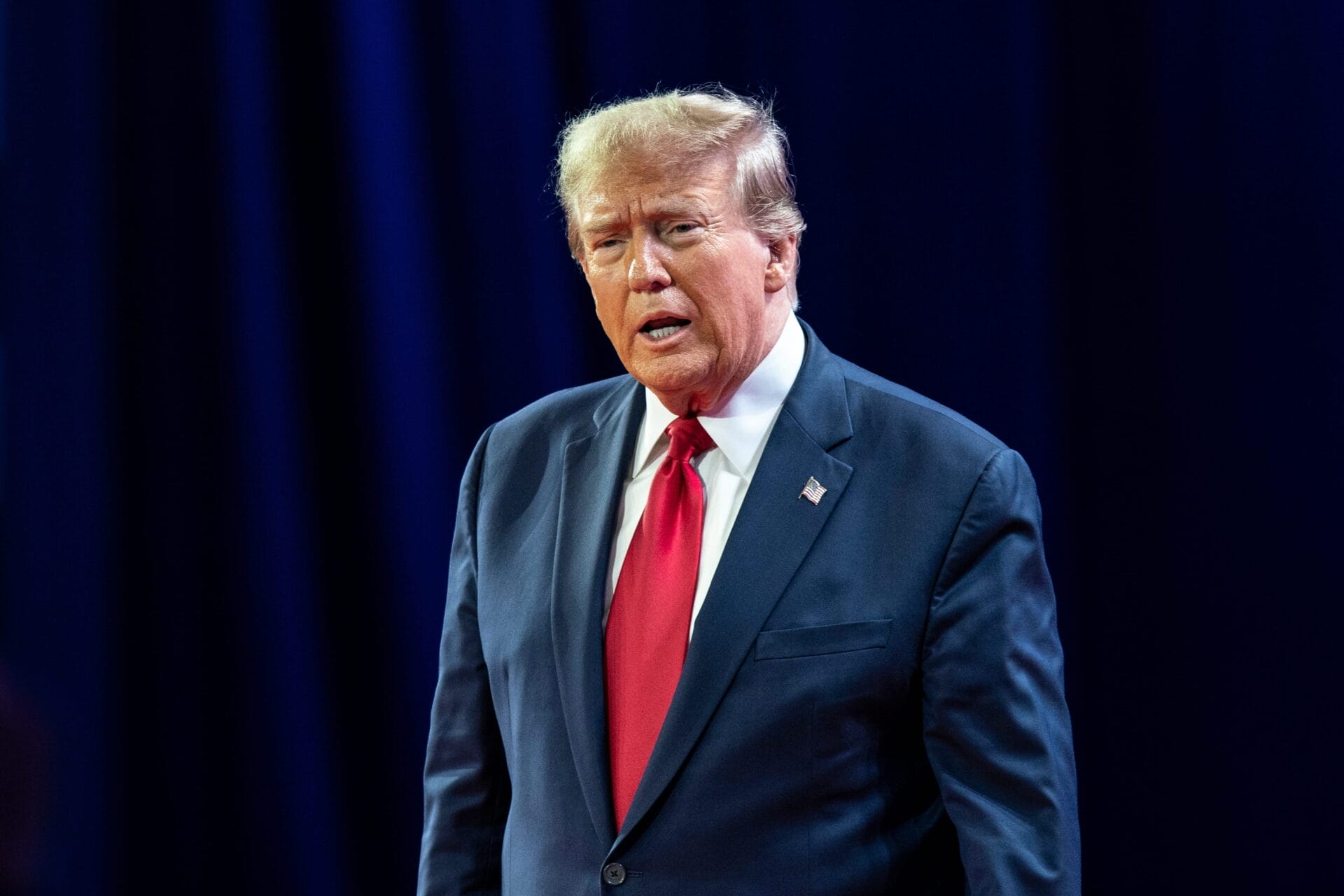
This means FX risk is shifting for UK companies. Rather than headline-driven shocks, exposure is increasingly influenced by the accumulation of smaller moves against a backdrop of weaker demand – as already observed by US President Trump’s headline-making push to acquire Greenland. As those moves build, the impact often depends less on the market itself and more on the internal assumptions that underpin budget rates and hedging strategy.
This report explores what’s driving sterling, dollar and euro markets today – and why your organisation’s internal alignment may matter as much as market moves themselves.
Q1, market by market: what can you expect?

Domestic fragility leaves sterling exposed
Slowing household demand, tight fiscal policy and rising political noise leave the UK with little momentum. Sterling moves are likely to be driven by external developments rather than domestic improvement, limiting the reliability of GBP strength as a basis for pricing or planning.

Dollar direction hinges on policy timing
US growth remains hard to judge as easing begins amid patchy data, political uncertainty and an approaching Fed leadership change. For UK businesses with USD exposure, uncertainty complicates forecasting and outlines the
importance of strategy over directional views.

Euro moves driven from outside the bloc
With growth subdued and few near-term domestic drivers, the euro enters 2026 relatively stable. Movements are more likely to reflect dollar and sterling dynamics than eurozone developments, and analysts don’t expect much opportunity for currency-driven gains